Full Local Strategy
Downtown Manhattan Rooftop Crawl is built for downtown nightlife, and the goal is simple: reduce guesswork while keeping your night flexible. New York rooftop plans fail when people underestimate movement time between neighborhoods, show up at peak moments without a reservation, or choose a route that ignores subway reliability. This guide fixes that by combining neighborhood-level pacing, zip-code context, and venue sequencing you can execute in real time.
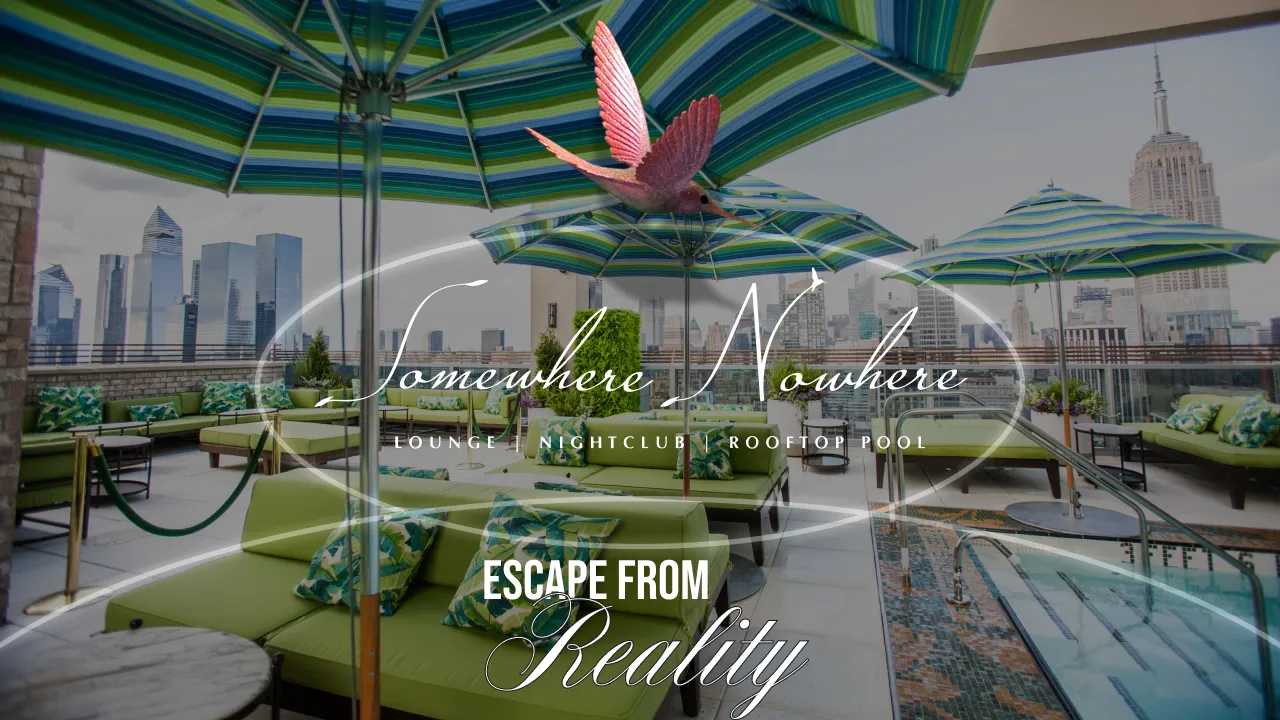
Start with an anchor zone and commit to it for the first two hours. For most groups, that means opening near Chelsea (10011) or Battery Park City (10282), then expanding only if the second venue adds a meaningful change in view, music level, or cocktail quality. A strong anchor stop like Somewhere Nowhere NYC helps your group settle in, take photos, and lock the tone for the rest of the night.
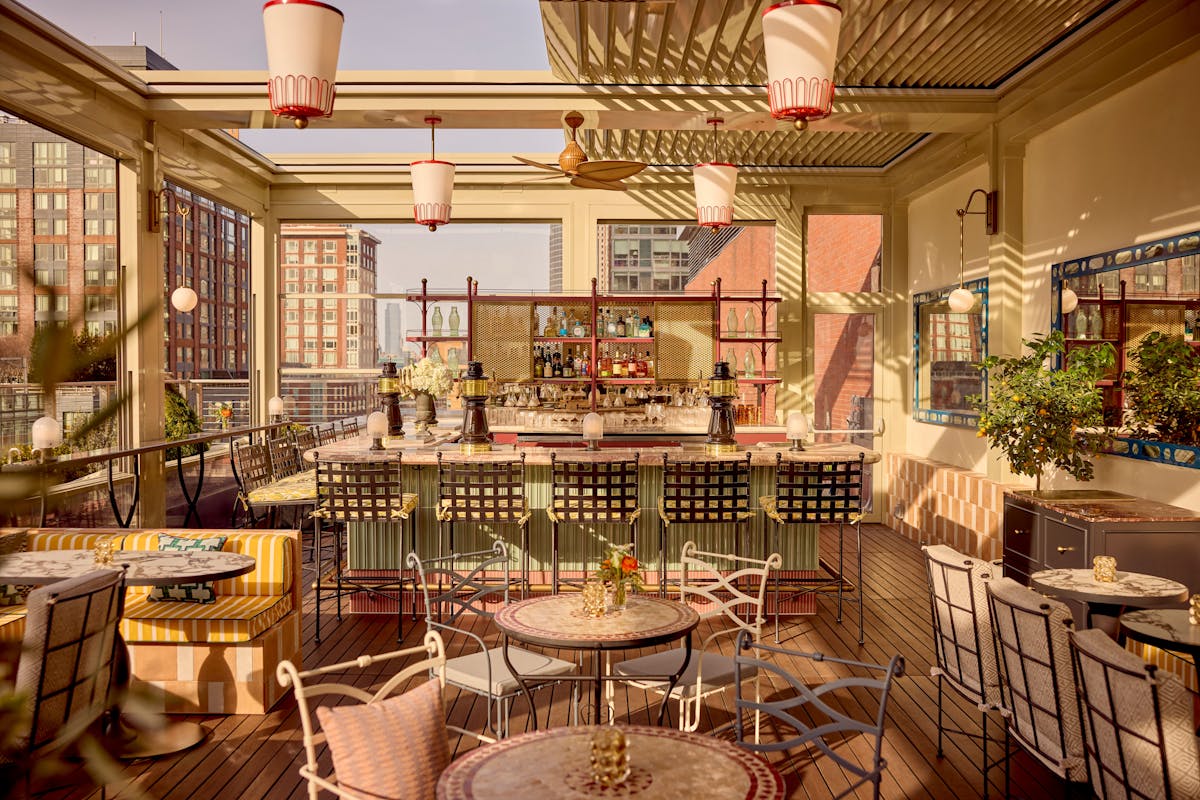
The strongest rooftop nights in NYC use a 3-stop rhythm: one scenic opener, one social middle stop, and one late closer with reliable transport nearby. In practice, this means pairing places such as Somewhere Nowhere NYC, Leonessa, and The Ready Rooftop Bar based on who is in your group and how long you want to wait at each step. That framework works for couples, friend groups, visiting family, and business guests because it balances quality with convenience.
You should also map spend in advance. In Manhattan and Brooklyn rooftop corridors, average cocktail pricing and service charges can stack quickly, especially in zip codes with dense hotel inventory. Instead of reacting table by table, set your per-person ceiling before arrival, assign one person to monitor timing, and keep one backup option in a neighboring zip so weather, lines, or private events never collapse your full plan.
In Chelsea (10011), the local pattern is mixed crowd, art-night spillover, destination bars. This neighborhood works best for itineraries that bridge downtown and midtown, and transit access is strongest via A, C, E, 1 at 14 St and 23 St. If your plan touches this zone, treat Somewhere Nowhere NYC as your reference point, then monitor line movement around the 20-minute mark. The tactical move is to arrive during the window where host stand pressure is still manageable, take photos immediately before crowd density spikes, and commit to a decision on your next stop before your second round lands. Thursday through Saturday fills quickly keeps your momentum strong and prevents the dead-time that usually kills group energy.
In Battery Park City (10282), the local pattern is Hudson River sunsets and polished downtown drinks. This neighborhood works best for aperitivo, date nights, and Statue of Liberty views, and transit access is strongest via 1, 2, 3, A, C at Chambers St. If your plan touches this zone, treat Leonessa as your reference point, then monitor line movement around the 20-minute mark. The tactical move is to arrive during the window where host stand pressure is still manageable, take photos immediately before crowd density spikes, and commit to a decision on your next stop before your second round lands. arrive before sunset and reserve for peak evenings keeps your momentum strong and prevents the dead-time that usually kills group energy.
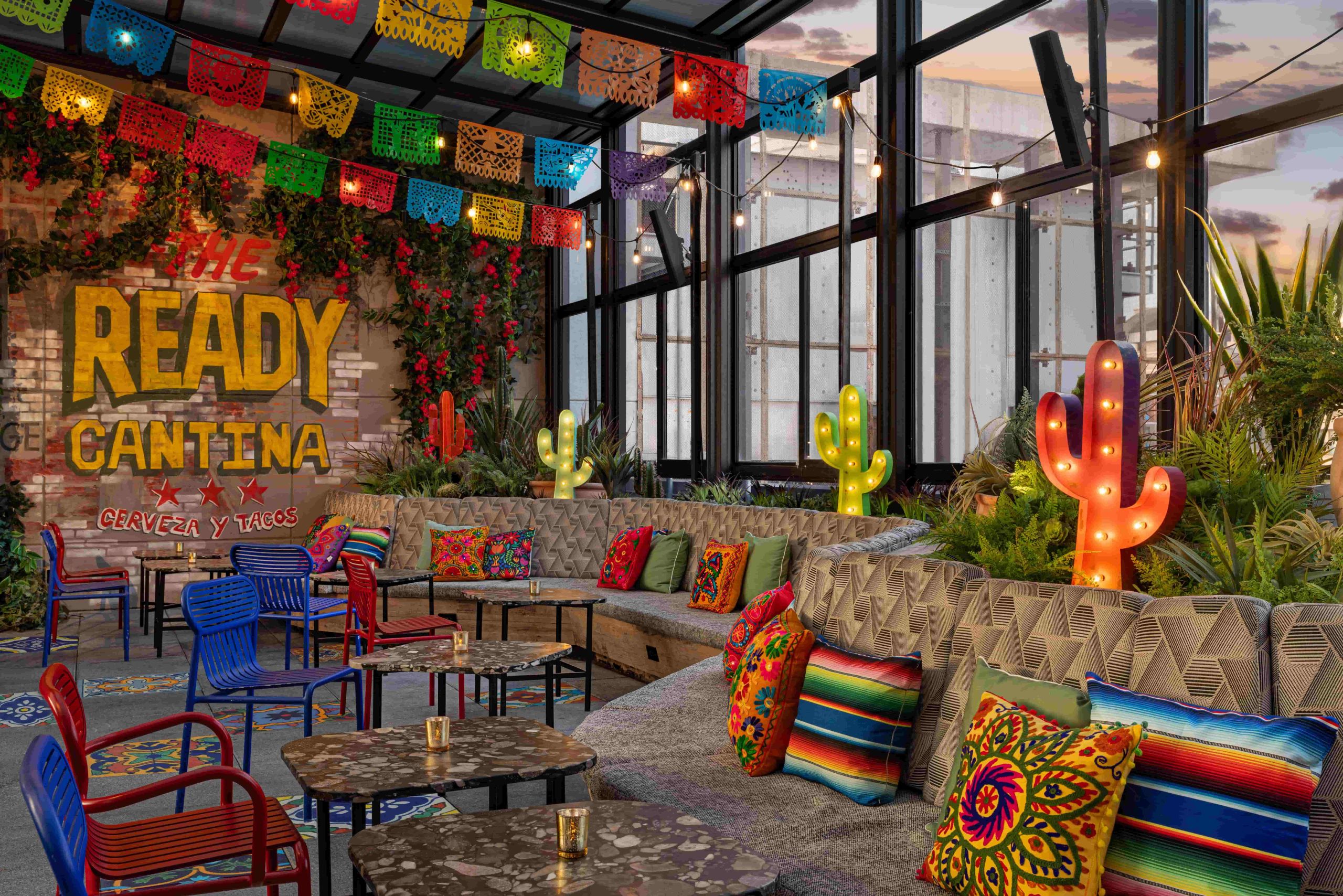
In East Village (10003, 10009), the local pattern is casual late-night movement and social flexibility. This neighborhood works best for informal groups and creative nights, and transit access is strongest via L at 1 Av; 6 at Astor Place. If your plan touches this zone, treat The Ready Rooftop Bar as your reference point, then monitor line movement around the 20-minute mark. The tactical move is to arrive during the window where host stand pressure is still manageable, take photos immediately before crowd density spikes, and commit to a decision on your next stop before your second round lands. strongest from 8:30 PM onward keeps your momentum strong and prevents the dead-time that usually kills group energy.
In SoHo (10013), the local pattern is stylish crowd, shopping-day into night transition. This neighborhood works best for fashion-forward plans and smaller groups, and transit access is strongest via C, E at Spring St; N, R, W at Prince St. If your plan touches this zone, treat JIMMY at ModernHaus Soho as your reference point, then monitor line movement around the 20-minute mark. The tactical move is to arrive during the window where host stand pressure is still manageable, take photos immediately before crowd density spikes, and commit to a decision on your next stop before your second round lands. arrive before 7:30 PM for easiest tables keeps your momentum strong and prevents the dead-time that usually kills group energy.
In Theater District (10019, 10036), the local pattern is show traffic and packed pre-event energy. This neighborhood works best for quick pre-curtain drinks and post-show resets, and transit access is strongest via 1, N, Q, R, W at 49 St; A, C, E at 50 St. If your plan touches this zone, treat Haven Rooftop as your reference point, then monitor line movement around the 20-minute mark. The tactical move is to arrive during the window where host stand pressure is still manageable, take photos immediately before crowd density spikes, and commit to a decision on your next stop before your second round lands. tight windows around 5:00 PM and 10:00 PM keeps your momentum strong and prevents the dead-time that usually kills group energy.
In Hudson Yards (10001), the local pattern is new-build venues with polished service standards. This neighborhood works best for corporate and visiting client entertainment, and transit access is strongest via 7 at 34 St Hudson Yards. If your plan touches this zone, treat The Skylark as your reference point, then monitor line movement around the 20-minute mark. The tactical move is to arrive during the window where host stand pressure is still manageable, take photos immediately before crowd density spikes, and commit to a decision on your next stop before your second round lands. weekday evenings tend to be easiest keeps your momentum strong and prevents the dead-time that usually kills group energy.
In Midtown East (10017, 10022), the local pattern is corporate crowd with strong happy-hour traffic. This neighborhood works best for after-office rooftop transitions, and transit access is strongest via 4, 5, 6, 7, S at Grand Central. If your plan touches this zone, treat Dear Irving on Hudson as your reference point, then monitor line movement around the 20-minute mark. The tactical move is to arrive during the window where host stand pressure is still manageable, take photos immediately before crowd density spikes, and commit to a decision on your next stop before your second round lands. early evening arrival wins keeps your momentum strong and prevents the dead-time that usually kills group energy.
In Long Island City (11101), the local pattern is expanding rooftop scene with clean skyline angles. This neighborhood works best for cross-borough itineraries, and transit access is strongest via E, M, G, 7 at Court Sq. If your plan touches this zone, treat Somewhere Nowhere NYC as your reference point, then monitor line movement around the 20-minute mark. The tactical move is to arrive during the window where host stand pressure is still manageable, take photos immediately before crowd density spikes, and commit to a decision on your next stop before your second round lands. weeknight access is smoother than weekends keeps your momentum strong and prevents the dead-time that usually kills group energy.
Reservations are not just about guaranteed entry; they protect your entire timeline. If your route starts at 6:00 PM and you lose 40 minutes to an unexpected wait, every downstream stop gets compressed. For this reason, prioritize reservations at the venue with the tightest entry policy, then keep your second stop as a flexible walk-in. This strategy protects your high-value moment while keeping room for spontaneous changes.
For neighborhoods with concentrated activity like East Village and SoHo, elevator bottlenecks can create hidden delays. Account for this by arriving 10 minutes before your intended table time and making sure your full group is physically present. NYC rooftop hosts often hold tables only briefly, and fragmented arrivals are the fastest way to lose a confirmed slot.
If you are leading a mixed group, assign role ownership: one person for reservations and confirmations, one for routing, and one for payment flow. This sounds simple, but distributed responsibility consistently improves outcomes in busy zip clusters because nobody is trying to solve five problems from a noisy rooftop corner. It also keeps the mood lighter, which matters for social and content-driven nights.
Photo capture should be intentional, not random. Capture skyline content at first arrival while hair, outfits, and lighting are strongest. Move to candid clips once crowd density rises. In neighborhoods with long west-facing sightlines, sunset compression can happen quickly between buildings; using a fixed 15-minute content block keeps your group from missing the best light.
Weather flexibility is mandatory in New York. Wind on high terraces can shift perceived temperature by 8-12 degrees compared with street level, especially in shoulder seasons. Build your route so that at least one stop offers an indoor bar or covered section. This allows you to keep the plan intact without sacrificing atmosphere when conditions change mid-evening.
For payment speed, close tabs before your final stop unless the venue has strong point-of-sale staffing. Long closeout lines near peak departure windows can add 25 minutes you did not plan for. Fast exits matter most when you are moving between boroughs or trying to catch late subway frequencies.
If your night includes VIP hosting or celebration moments, communicate timing early and clearly. Mention your arrival window, group size, and purpose when you book. Venues respond better when expectations are explicit, and your team can secure better seating alignment for photos, toasts, and efficient bottle service.
Finally, keep one objective metric for success: did your route keep everyone engaged without long idle gaps? If yes, the plan worked. Rooftop nights are less about maximizing stop count and more about preserving momentum across neighborhoods, zip codes, and shifting crowd patterns.